
Schioppettino
Schioppettino is, for us, our Prince of indigenous reds. Its uniqueness comes from Rotundone, the molecule shared by pepper and some wines, including Schioppettino, with the olfactory characteristics we all know. In the cooler, rainier vintages that often characterize this small portion of Friuli, there is no other grape variety in the world with this concentration of rotundone! Hints of pepper mingle with delicate aromas of rose and red fruits , which then s
Tasting profile
- Taste-aroma intensity4
- Savouriness4
- Acidity and freshness4
- Tannins4
- Persistence5
- Alcohol4
- Softness3
How to read it
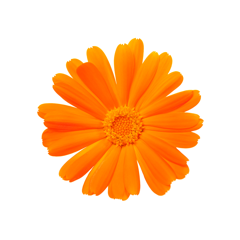
Taste-aroma intensityCalendula
The power and clarity of the aromas: how much the wine speaks to the nose.
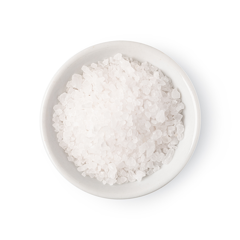
SavourinessSalt
The salty, mineral note that makes the wine savoury and dynamic.
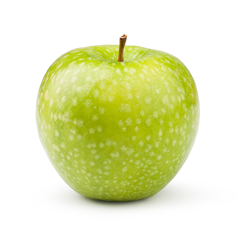
Acidity and freshnessApple
The freshness that cleanses the palate: more acidity, a livelier sip.
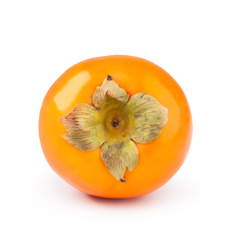
TanninsPersimmon
The astringency that dries the mouth, from the skins' tannins — like an unripe persimmon.
PersistenceStopwatch
How long the flavours linger after the sip: the length on the palate.
AlcoholWhiskey
The warmth and body of alcohol: the higher it is, the warmer and fuller the wine.
SoftnessHot chocolate
The enveloping roundness on the palate, without edges — soft as hot chocolate.
The producer
Flaibani
Coraggio, determinazione e volontà: questi siamo noi. Il coraggio di fare vini non convenzionali e in armonia con la Natura; la determinazione di vivere seguendo ritmi biologici, in cui la Vita e la vite si intrecciano; la volontà di realizzare un sogno, che parte dalla custodia dell’ambiente in cui viviamo.
Nature and the local landscape speak through their wines, bringing an authentic and distinctive identity to every bottle. The range comprises a single white wine — the Riviere, a Friulano of the Giallo dal Peduncolo Rosso variety — alongside Pinot Grigio Ramato, Schioppettino, Cabernet Franc, Merlot and, in favourable vintages, Refosco dal P.R. blended with Franconia. In the cellar, vinification follows precise timelines and deliberate pauses: no rushing, just listening to the wine and respecting its natural rhythm. The result is a deliberately limited production — fewer than 10,000 bottles — because quality is not scaled but preserved.