Wineries
Zalatel
Dobrovo v Brdih (Nova Gorica)
Walls don´t speak loudly enough, but if they did, the Zalatel homestead would tell many stories.
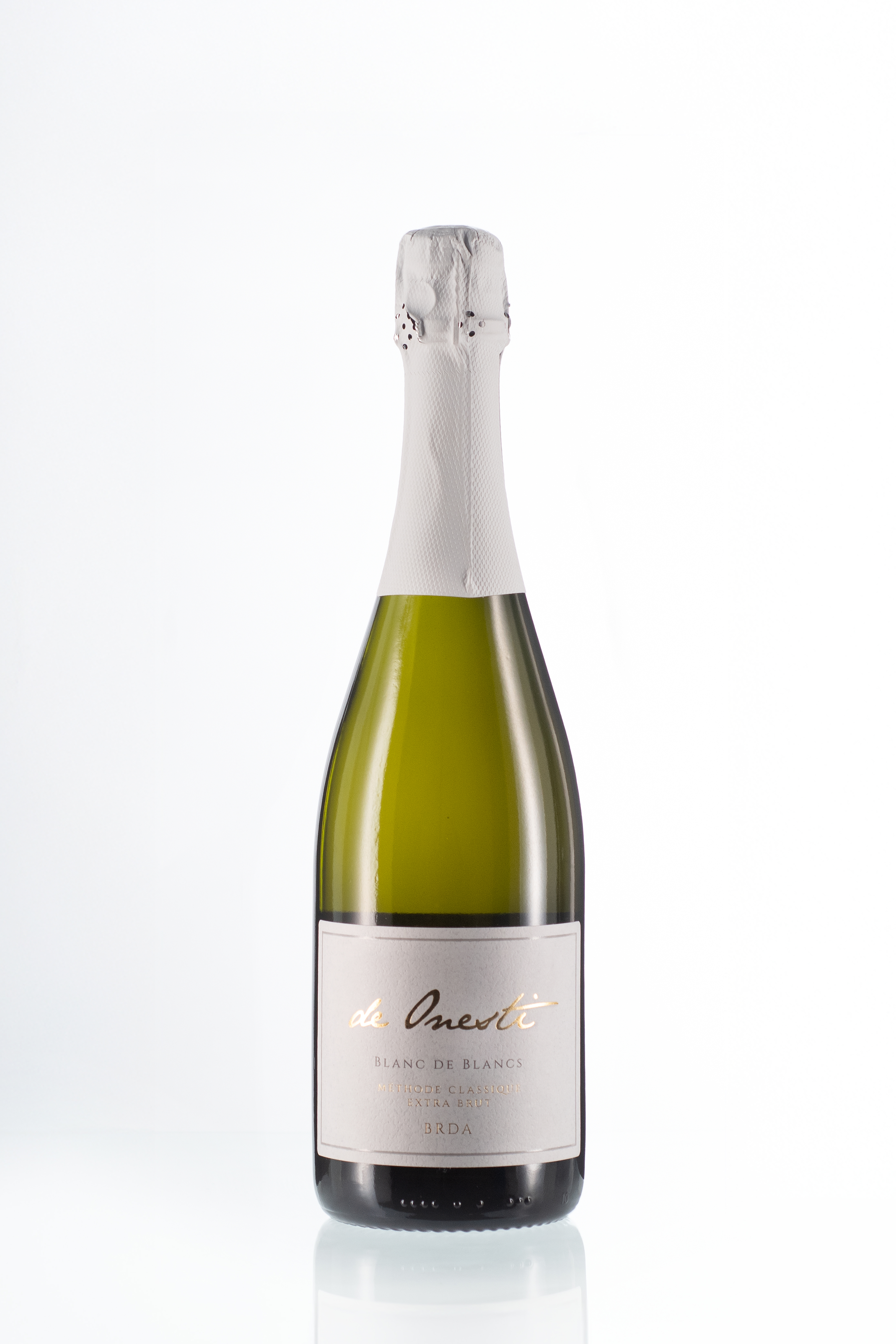
De Onesti – or, as we would say locally, "of the honest ones" – was the surname of the ancestors who lived and worked on the same estate and in the same vineyards as the Zalatel family does today. Franc de Onesti was the last person to bear that surname. One of his daughters married a local man, Ivan Janez Zalatel. Since then, the surname Zalatel has been associated with the estate. Today, Valter Zalatel, together with his wife Jožica and their sons Kristjan and Matjaž, still tends the vineyards and looks after the family farm with great care and passion. As a reminder of the past and a tribute to our ancestors, our sparkling wine bears the name de Onesti.
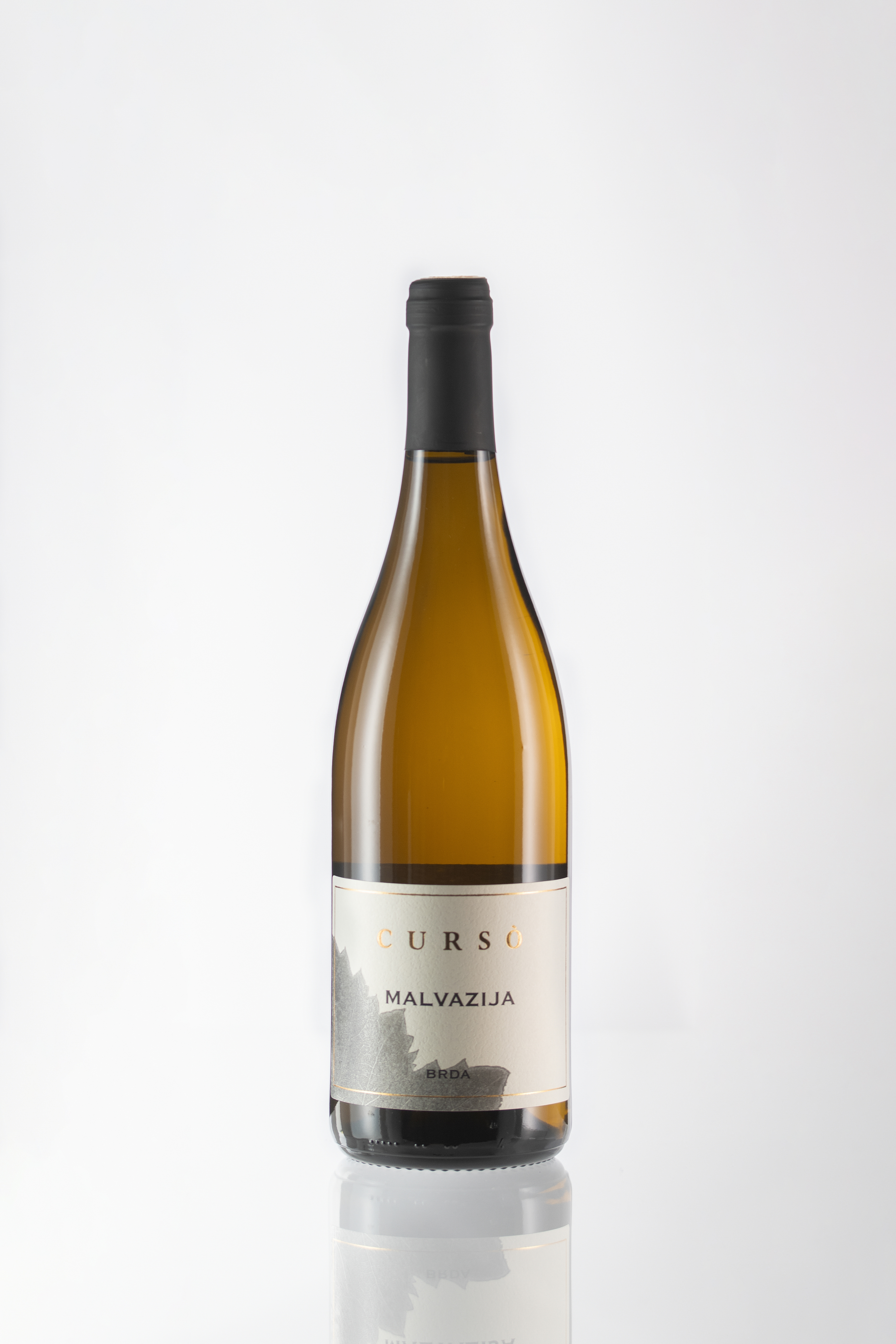
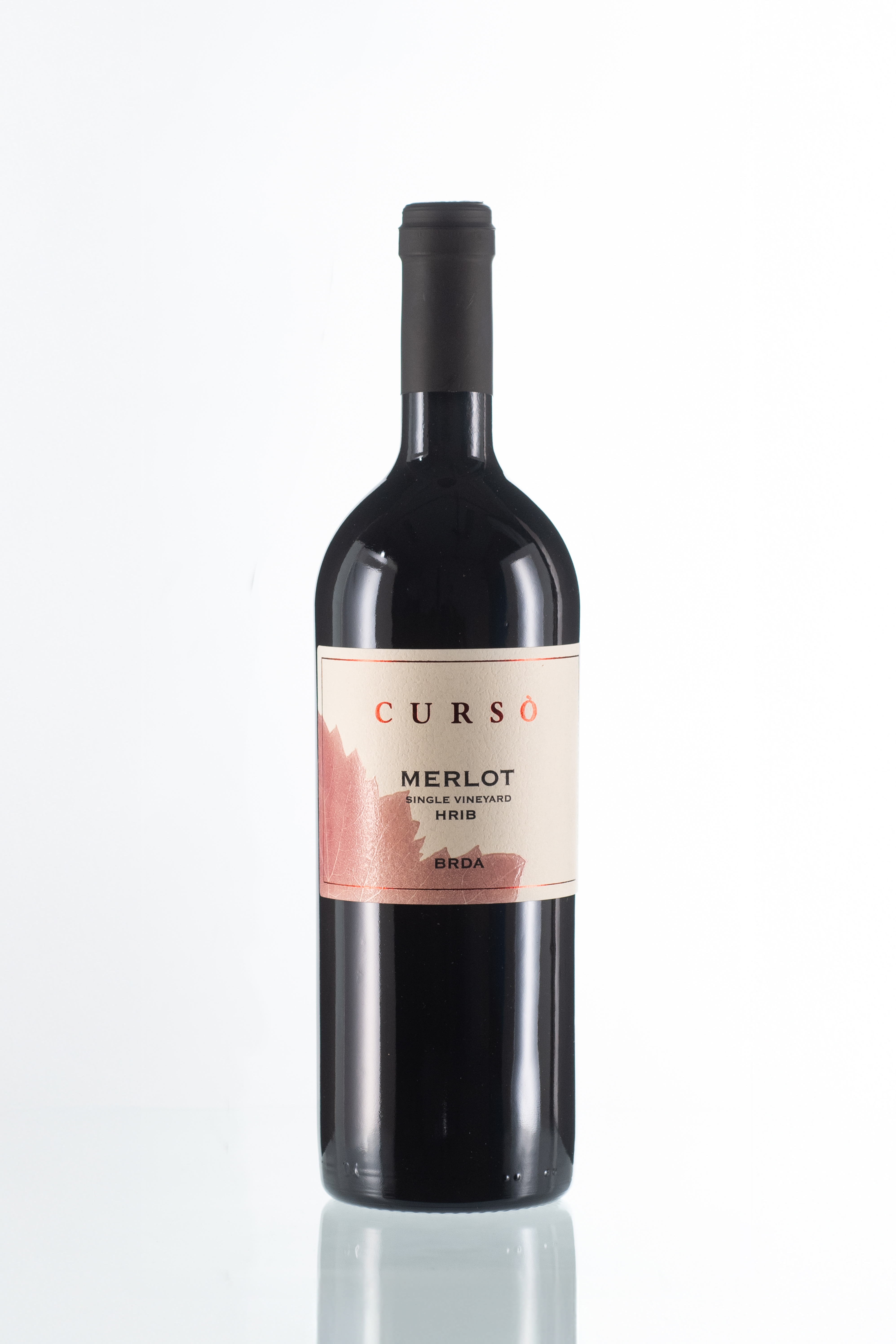
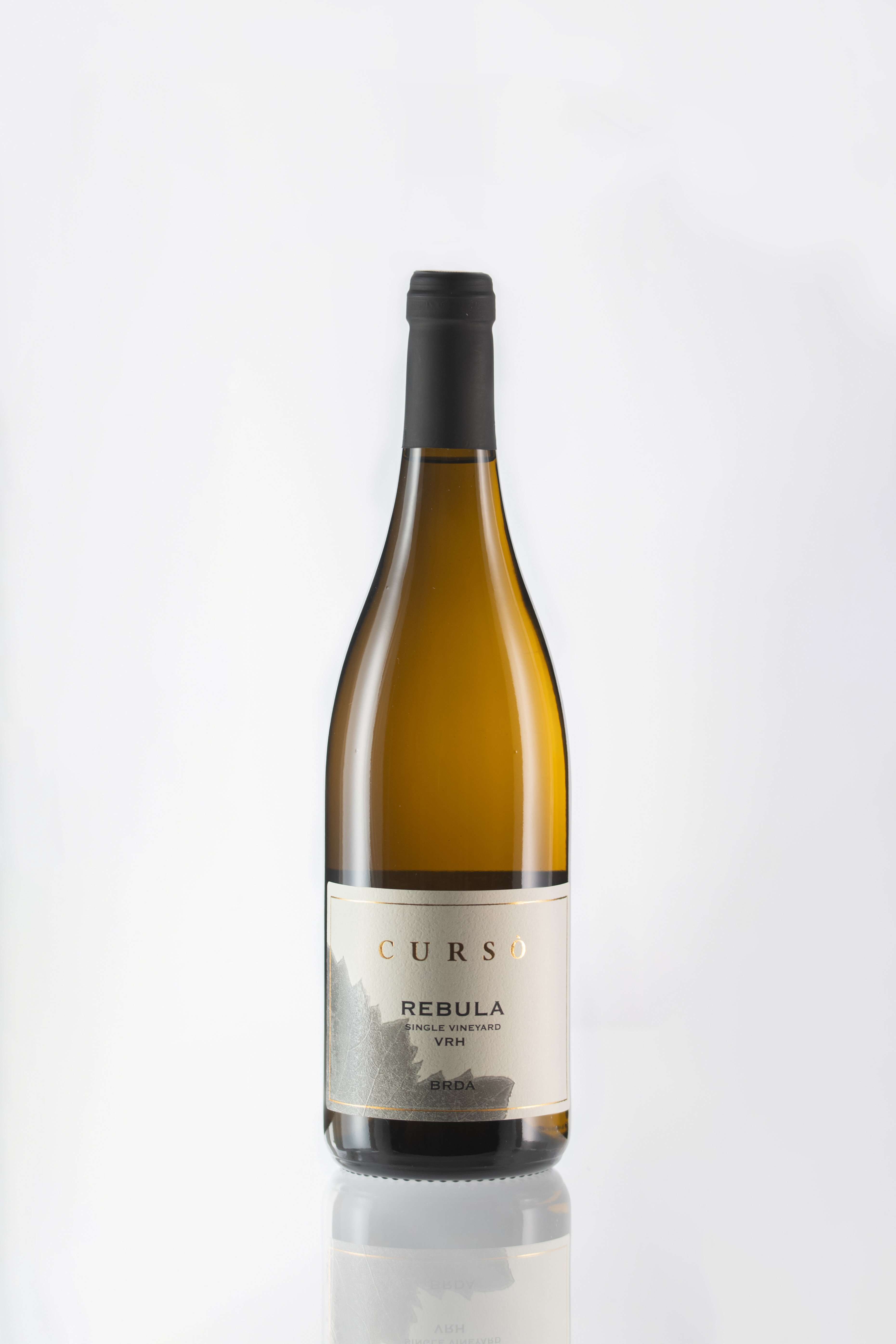
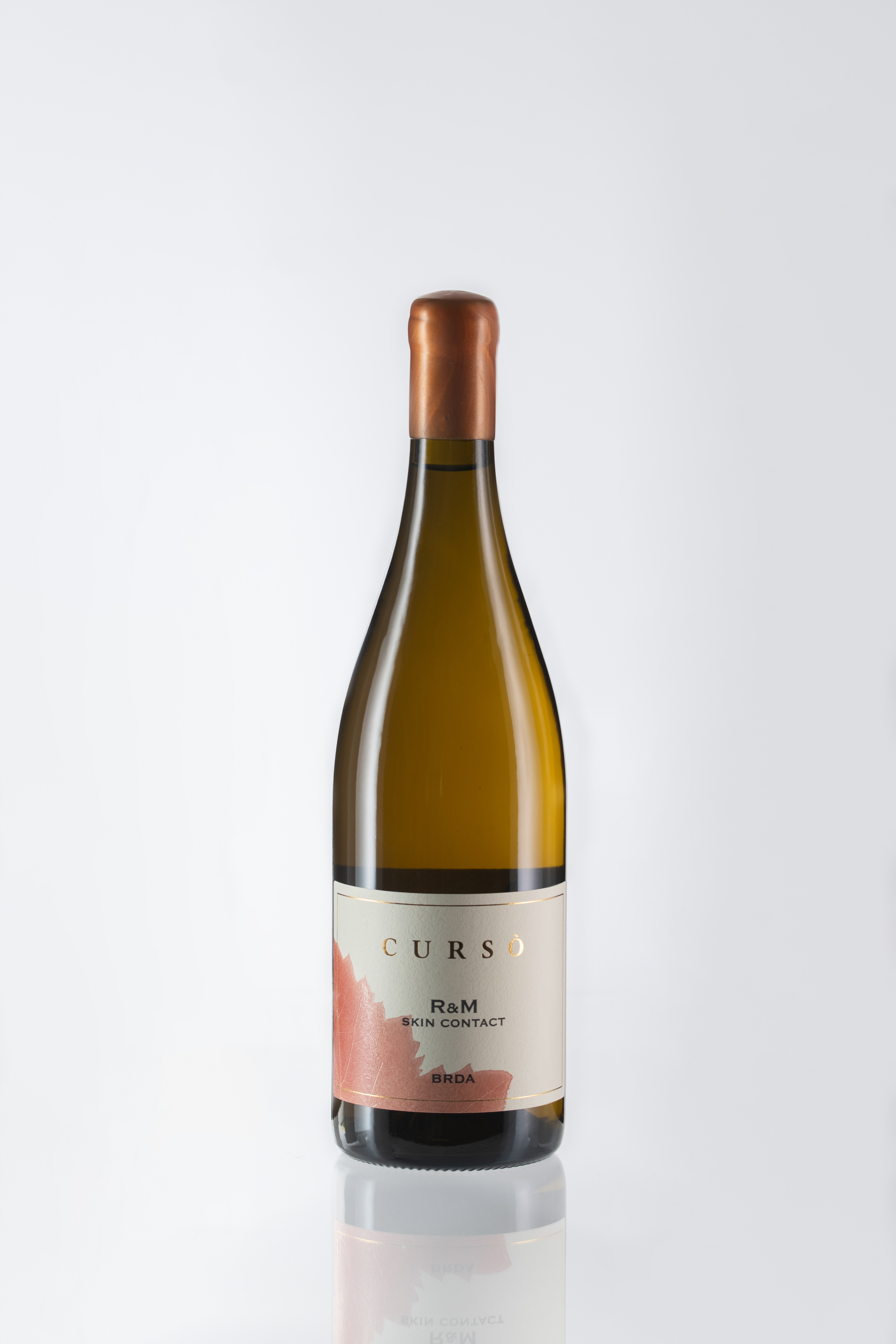
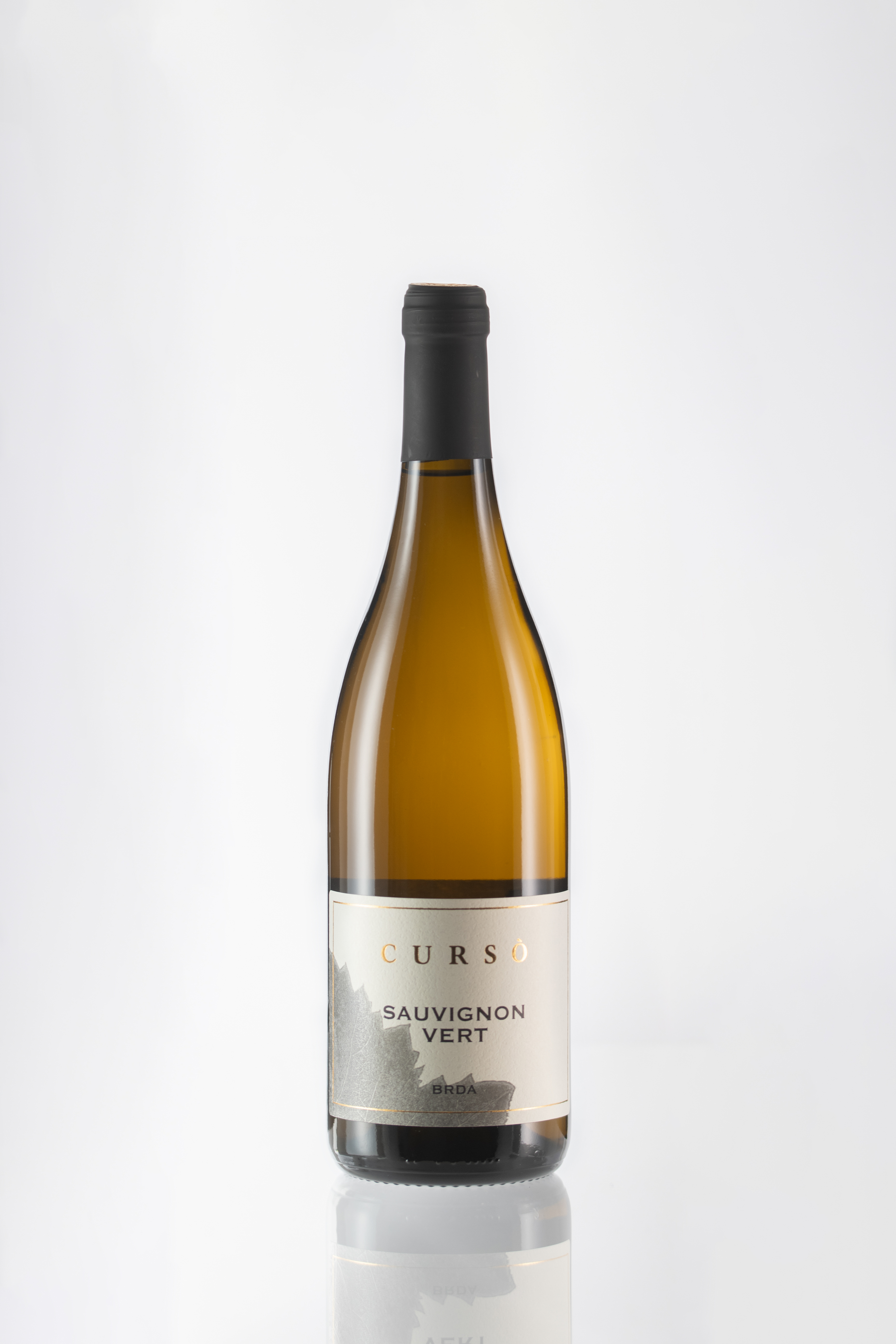
The Zalatel estate covers 10 hectares of vineyards. It is situated on the southwestern slopes of Brda, on a hill called Čisto, in the village of Hruševlje. Most of our vineyards are also located right near the winery, where we focus primarily on the Rebula, Malvasia, Sauvignon Vert, and Merlot varieties. In 1991, we embarked on the path to independence and, for the first time, bottled Rebula under our own label. Today, the Zalatel winery offers a broader range of wines. In addition to our fresh range of varietal wines, we are proud to present our sparkling wine made using the classic Méthode Traditionnelle (de Onesti) as well as the Cursò range of aged wines. The village of Hruševlje is bordered along the valley floor by the Kožbanjšček stream, with the villages of Neblo and Hlevnik lying to either side. It also shares a border with neighbouring Italy. The village stretches across several beautiful hills, whose orientation and soil provide excellent conditions for viticulture. Above the village stands the beautiful Gothic Church of St Margaret. Hruševlje is made up of several hamlets. In the past, the locals gave the hill where our estate stands the nickname Na Čistem, or simply Čisto. Hruševlje once belonged to Dolenje, which is now in Italy, but at the time was part of the Austro-Hungarian Dual Monarchy. At that time, the village was given the name Cursò, which now adorns the labels of the wines in our top range.